

Highland architecture
Visit the Vuong residence, then spend the rest of the day in Dong Van Old Quarter with a local meal.
Familiar names before the reorganisation: Tuyên Quang, Hà Giang.
The new Tuyen Quang combines the former Tuyen Quang and Ha Giang provinces. This itinerary focuses on Dong Van and Meo Vac: limestone-plateau culture, Ma Pi Leng Pass and river-level views of the Nho Que.
Lived and worked in Tan Trao; born in Nghe An, not Tuyen Quang.
Tan Trao preserves sites linked to preparations for the events of 1945.
Ho Chi Minh stayed at Na Lua hut from late May to 22 August 1945. The site also records central organisations’ activities before the uprising and during resistance.
The forest hut offers a starting point for understanding Tan Trao’s role in modern state formation. His activities here are distinct from his hometown connection.
Explore Na Lua hut and Tan Trao historical site.
Contextual remembrance suggestions appear under attractions with a verified connection. A white flower where permitted is enough; sharing a photograph is optional.
The martyrs’ cemetery list and coordinates for Tuyên Quang are being checked. No location is ready for publication here yet; this does not mean there are no martyrs’ cemeteries in this province.
Dong Van and Meo Vac: karst landscapes and the Nho Que
Allow separate travel days to reach and leave Dong Van. Within the area, use a driver experienced on mountain roads and arrange Nho Que boats according to current operations and weather.
Keep the same local base, with an optional third day for culture, food and time to unwind.
Visit the Vuong residence, then spend the rest of the day in Dong Van Old Quarter with a local meal.
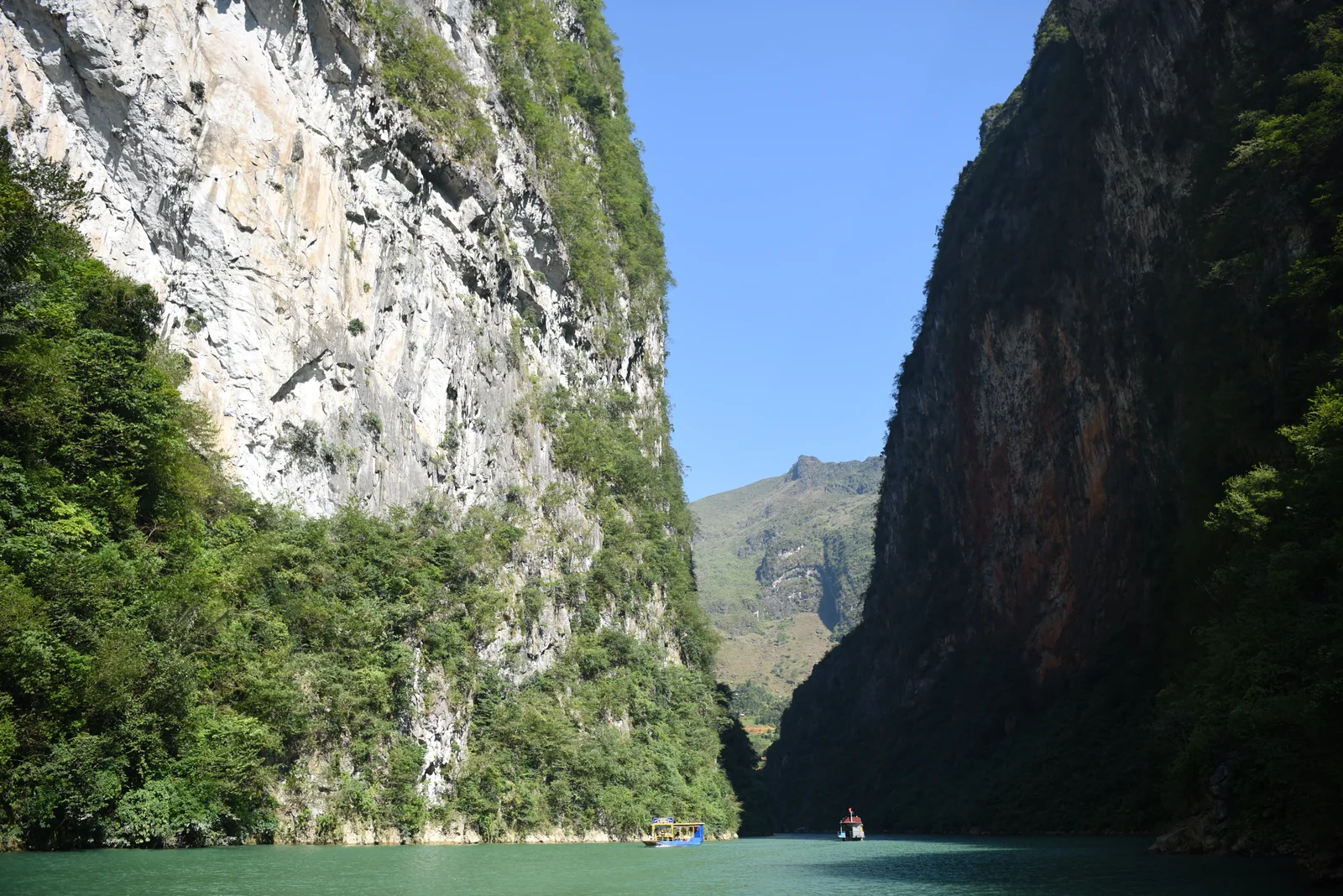
Stop at Ma Pi Leng viewpoints on the way to the landing, then take a Nho Que and Tu San boat trip when conditions allow.
Use the extra day for the flag tower and Lo Lo Chai, walking slowly through the village and respecting residents’ daily routines.
An editorial route suggestion, excluding travel to and from the destination. The destination catalogue offers choices for different trips; not all places are close together. Check routes, weather and opening arrangements before booking.
Old houses and market spaces reveal daily life in the highland town.
A residential complex offering insight into the plateau’s history and architecture.
Pass viewpoints look down into the Nho Que valley.
A boat trip reveals towering cliffs from close to water level.
This hilltop flag tower is a place to reflect on Vietnam’s northern borderland.
Earth-walled homes and community life define the village’s character.
Ground corn steamed into a staple associated with Hmong cooking.
Cakes made from ground buckwheat seeds.
Sticky-rice balls served in a warm, sweet ginger syrup.
Thin steamed rice rolls served hot, commonly alongside broth.
A seasoned meat-and-offal stew; ask which meat is used before ordering.
These suggestions introduce local culture; they are not rankings or guarantees of quality. Ask providers about ingredients, allergies and dietary needs; check local rules, weather, opening hours and prices before travelling.
No community stories have been approved for this page yet. Share a place name, area and visit date for editorial review. We do not invent reviews on behalf of visitors.
Edited and checked: 19 October 2026. Some sources use former boundaries; suggestions are grouped under the current province-level units in Resolution 202/2025/QH15. Read the resolution ↗
Put Vietnam’s national interests, sovereignty and reputation above private gain in editorial decisions and sharing.
Respect Vietnamese law and local rules. Do not publish misinformation, violate privacy or promote unlawful conduct.
Preserve heritage, respect beliefs and the cultural diversity of communities, and travel responsibly towards people and nature.
Honour the martyrs who gave their lives for the nation’s independence and peace. Be respectful at historical and memorial sites; never exploit suffering for engagement.
Share an honest picture of Vietnam’s landscapes and people in Vietnamese and English. Welcome visitors with hospitality, respect and a willingness to learn together.